LogoSciVolume
  • New book
  • Features
  • How it works
  • Pricing
  • Blog

SciVolume · A writing workspace for monographs, textbooks and handbooks

Write a complete book, with every citation checked against its source.

SciVolume starts from a title: it drafts the outline, writes chapter by chapter, cites only real literature verified against the original text, and exports a manuscript ready for a publisher.

Begin a manuscriptRead the sample book

The sample book is public; no account is needed.

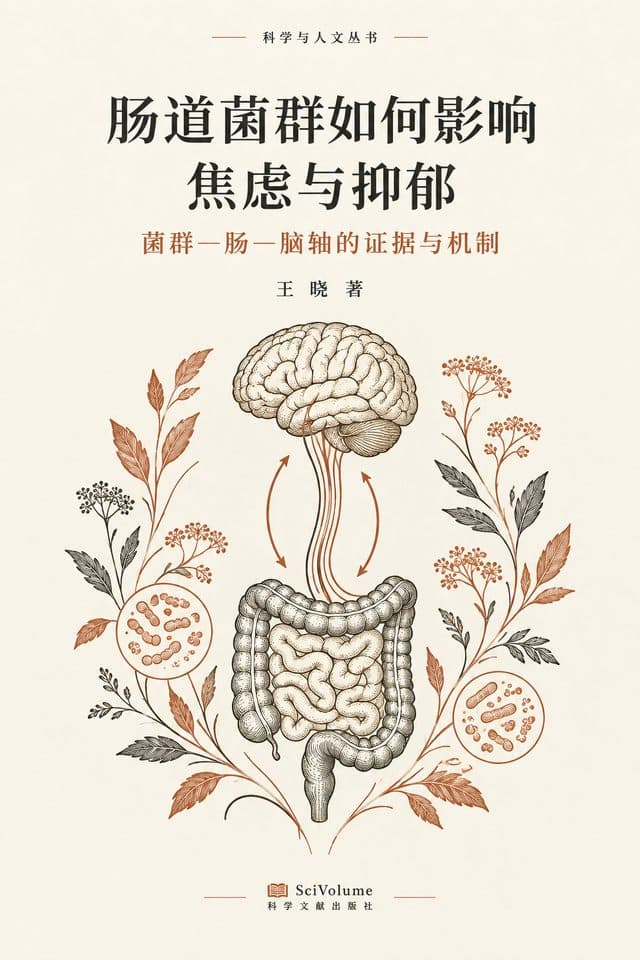
  • How the Gut Microbiome Shapes Anxiety and Depression
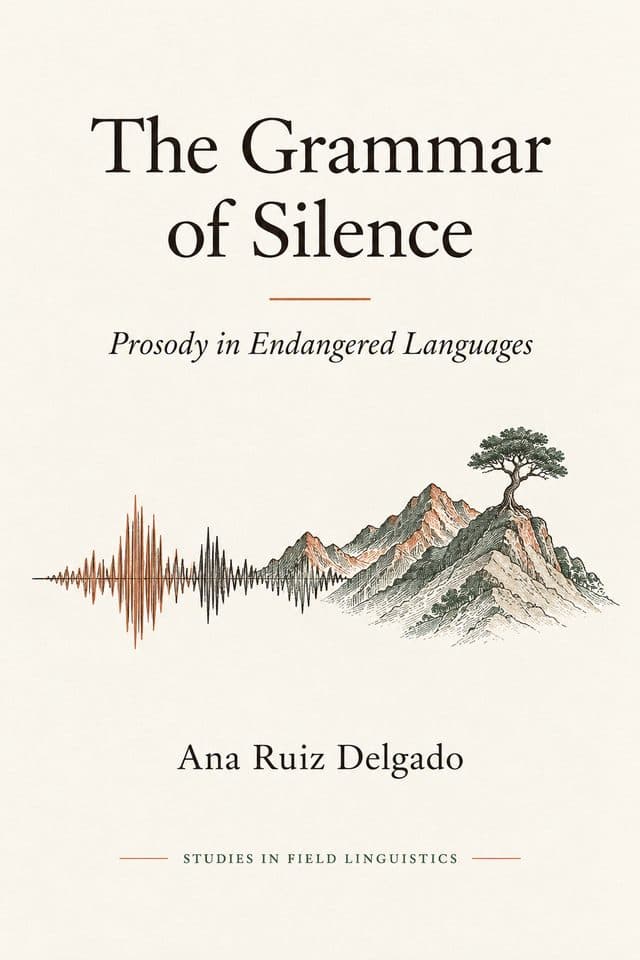
  • The Grammar of Silence
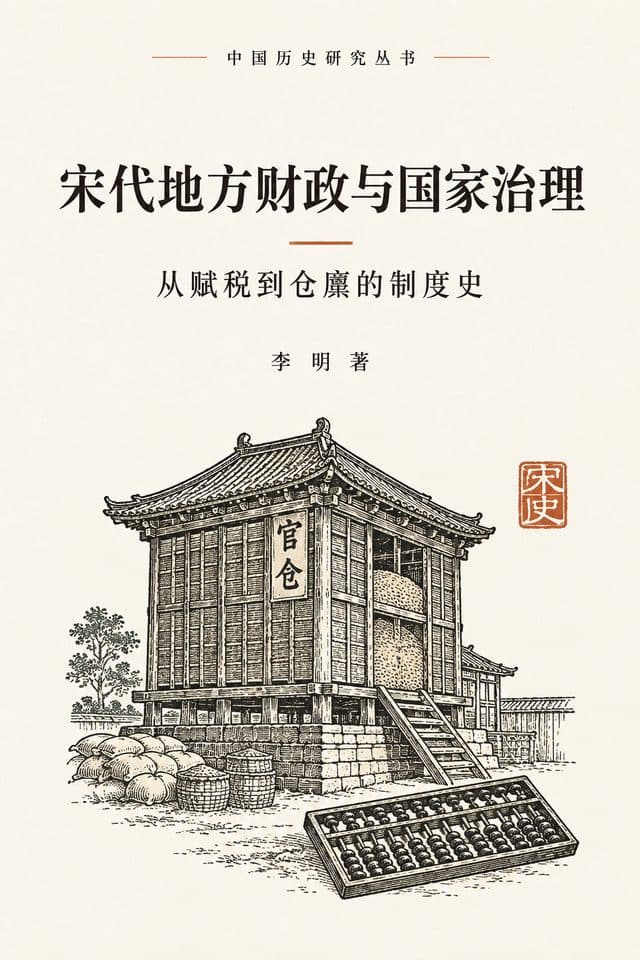
  • Local Finance and Governance in Song China
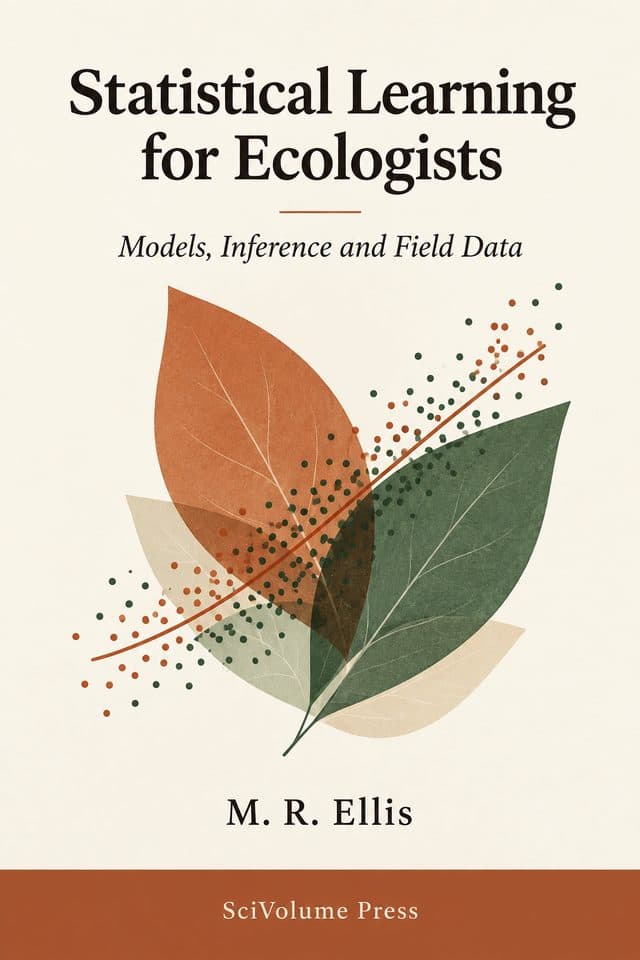
  • Statistical Learning for Ecologists
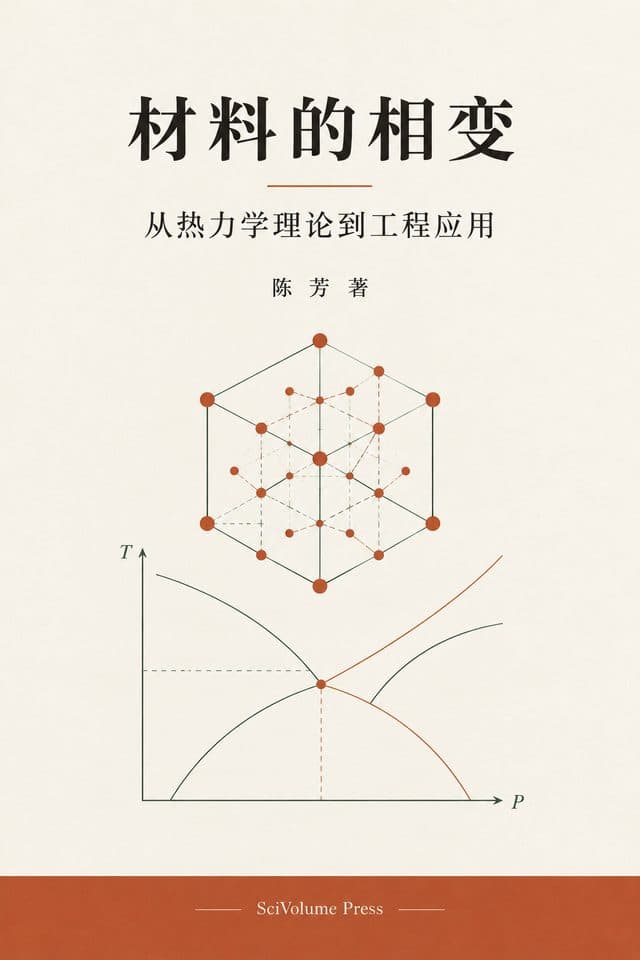
  • Phase Transitions in Materials
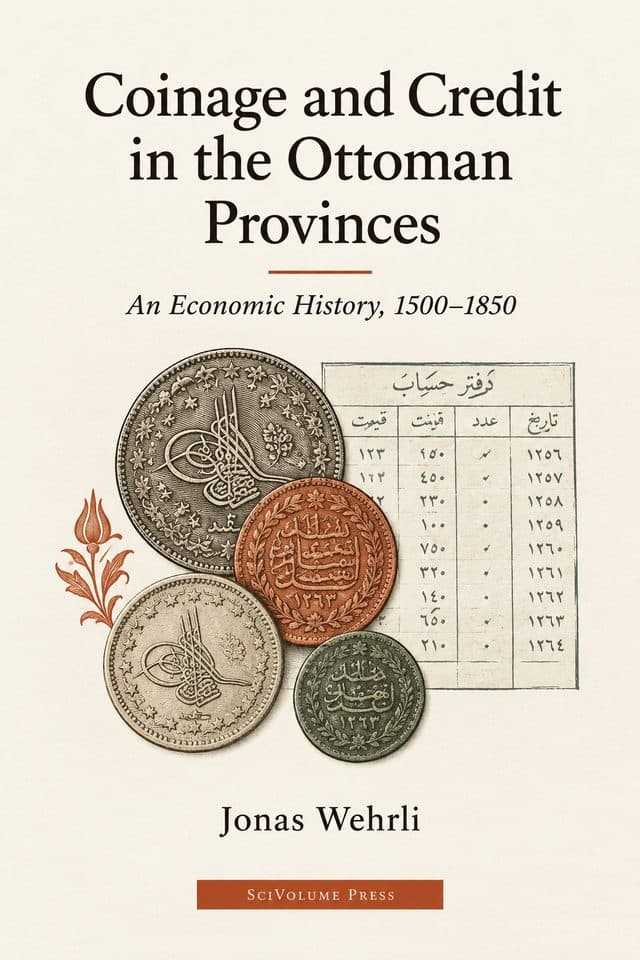
  • Coinage and Credit in the Ottoman Provinces
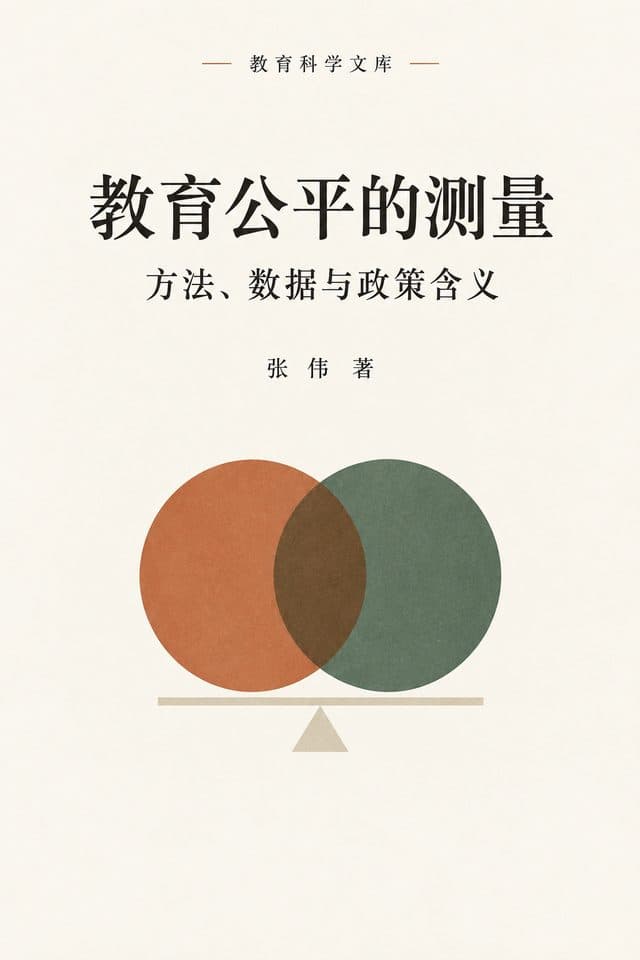
  • Measuring Educational Equity
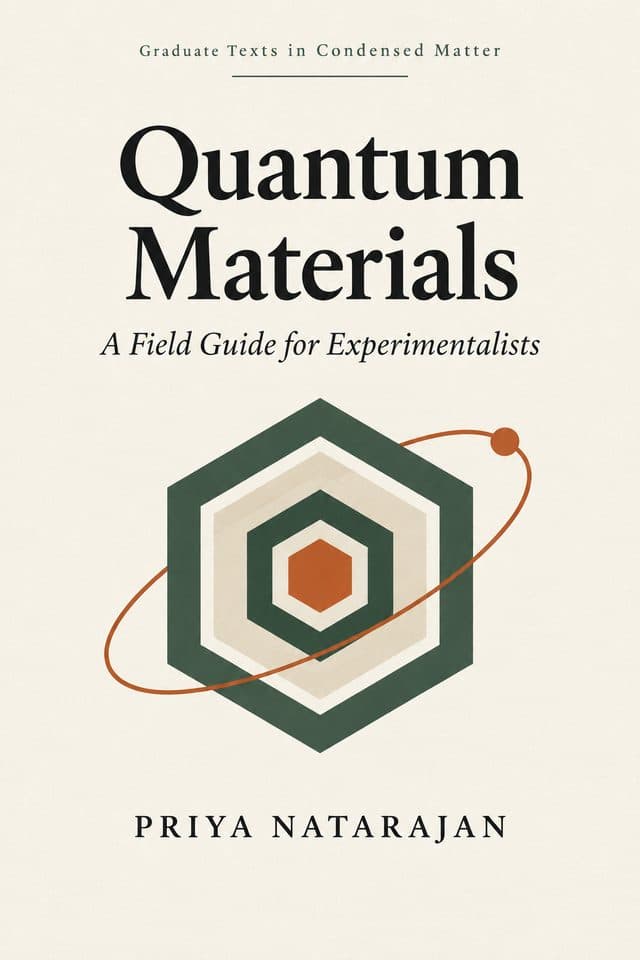
  • Quantum Materials

Every book begins with a question.

All covers above were generated by the workspace from a title, subtitle and discipline. The books are examples.

I

The writing desk.

Chapters on the left, the text in the middle, the assistant on the right. Citations sit at the end of the sentence; every edit is shown as a comparison before you accept it.

How the Gut Microbiome Shapes Anxiety and Depression · Chapter 1AI assistant

Navigation

  1. Introduction
    1. 1.1 The problem
    2. 1.2 State of research
    3. 1.3 Structure of the book
  2. Concepts and Theory
  3. Methods and Sources
  4. Historical Context
  5. Core Question I

CHAPTER 1

Introduction

A decade of studies shows the gut microbiome shaping mood and behaviour through neural, immune and endocrine routes[1]. How far animal findings generalise to clinical populations, however, remains contested[2].

This chapter compares animal and human evidence and asks where the differences come from.

AI suggestion · green added, red removed

This chapter systematically compares animal and human evidence and asks where the differences come from, considering sample, dose and measurement.

DiscardReplace

AI assistant

Working on

The paragraph with the cursor

PolishAcademicExpandCondenseTranslateContinue

Passages that support this

Chen & Tanaka (2025)

“…the effect was replicated across studies…” p. 12

01Chapters and sections in the navigation; rename, reorder, add or remove02Each citation points to a real work, with the passage it rests on03Suggested edits appear as a comparison; you decide whether to replace
Plate I · The writing desk: How the Gut Microbiome Shapes Anxiety and Depression, chapter 1

II

A publishable manuscript involves four kinds of work.

Fluent prose is only the beginning. SciVolume handles the manuscript to an editor’s standard: structure, evidence, apparatus and production. You confirm each; it carries them out.

Outline · 12 chapters

Writing in background
  1. ✓Ch. 1 Introduction
  2. ✓Ch. 2 Concepts and theory
  3. ✓Ch. 3 Methods and sources
  4. Ch. 4 Historical context
  5. Ch. 5 Core question I
  6. Ch. 6 Core question II
✉

Your book is written

All 12 chapters done. Open the manuscript to revise.

i

Structure

Outline and chapters

An outline is drafted from the title and the materials you provide: the aim of each chapter, its sections and how they follow one another. Once you confirm it, the chapters are written in order in the background, and you are notified when they are done.

  • The outline follows your papers, lecture notes or earlier draft
  • Chapters can be renamed, reordered, added or removed
  • Writing runs in the background; an email arrives when it finishes
[3]
✓ Supported
[7]
! Not in source
[12]
✕ Contradicted

Does the work exist · does it say this · jump back to the sentence

ii

Evidence

Citations and sources

While writing, the scholarly indexes are searched and only works that exist are cited; the citation sits at the end of the sentence and the bibliography follows. Paragraphs written from your materials carry a source mark.

  • No citation to a work absent from the indexes
  • Each paragraph can be read beside the material it rests on
  • The audit report compares every citation with the original text

Terminology

gut–brain axis

gut brain axisGBA

vagus nerve

short-chain fatty acids

gut brain axis
gut–brain axis
GBA
2 variants foundReplace all with “gut–brain axis”
iii

Apparatus

Terminology, numbering and style

Once the glossary is settled, one spelling holds through the book; figure, table and equation numbers follow any change of chapter order; the citation style switches in one step between APA, Chicago, GB/T 7714 and others.

  • A whole-book check finds stray variants and contradictions
  • Numbering is redone when a chapter moves
  • Changing the style never breaks a citation
✦Draw a diagram of the three gut–brain pathways

Three candidates; pick one

Fig. 2.1The three gut–brain pathways

Cover from a sentence

iv

Production

Figures, translation and delivery

Diagrams, equations, tables and the cover are generated from a written description; a translated edition is produced paragraph by paragraph against the original; the Word or LaTeX package is exported with cover, footnotes and bibliography complete.

  • Three candidates for each figure, numbered automatically
  • Whole-book translation, glossary confirmed first
  • Textbook apparatus: objectives, summaries, exercises, slides

III

What separates this from a chatbot is whether each sentence can be traced.

A chatbot writes fluently and leaves every citation for you to verify. SciVolume restricts itself to real literature while writing, compares each citation with the original afterwards, and records the result in an audit report that links back to the text.

Ref.WorkStatement in the textFinding
[12]Chen & Tanaka, 2025The effect was replicated across several studiesSupported
[13]Silva et al., 2020The sample comprised 1,240 participantsNot in source
[18]Okafor, 2019Anxiety scores fell significantly in the treated groupContradicted
[21]Lecture 3 notesThe basis for the three-pathway classificationSupported by material

Audit report · Chapter 3 · each finding is accompanied by the passage compared

Does the work exist
Every reference corresponds to an entry in the scholarly indexes or to material you uploaded. A work that does not exist cannot be cited.
Does it say this
The relevant passage of each cited work is retrieved and compared with the statement in the text, giving a finding of supported, not mentioned or contradicted.
Which material a paragraph rests on
Paragraphs written from your papers or notes carry a source mark; open it to read the paragraph and the material side by side.

IV

From a title to a manuscript, in four stages.

  1. 1

    Title

    Write down the title of the book. Papers, lecture notes or an existing manuscript can be uploaded as material.

  2. 2

    Outline

    Review the outline the workspace proposes, adjust chapters and sections, and confirm to begin writing.

  3. 3

    Draft

    The chapters are written in order in the background, with citations and figures inserted; an email arrives when the draft is complete.

  4. 4

    Revision and delivery

    Revise paragraph by paragraph in the editor, run the whole-book check and the citation audit, and export in the format your publisher requires.

V

Which books it is for.

The scholarly tools are there when needed and out of the way when not.

  • Scholarly monographs

    A sustained argument around a research question, with citations and bibliography in the conventions of the field.

  • Textbooks

    Chapters arranged to a course, each with objectives, a summary and exercises; slides and a syllabus produced alongside.

  • Professional handbooks

    Built from procedures, standards and cases, with terminology held consistent and Word export for internal review.

  • Popular science

    Specialist material rewritten for a general reader, with citations kept in footnotes so they do not interrupt reading.

  • A dissertation turned into a book

    Import the dissertation, recognise its structure, propose a new outline for readers, and rewrite chapter by chapter in the conventions of a book.

  • Translated editions

    A paragraph-aligned translation produced from an existing manuscript, with the glossary confirmed first and equations and figures kept in place.

VI

Pricing.

One rule for text, one for figures. Yearly plans are half price. Subscribe, write; top up with credits when a book runs long. Yearly plans are half price.

Free

$0

No payment needed

Read the sample book from cover to cover.


  • The whole sample book, with every paragraph’s origin marked
  • Book check and citation audit reports
  • Companion boxes, preface, acknowledgements and index
  • Download the sample Word and LaTeX packages
  • The sample book cannot be edited
  • No books of your own
  • No AI features

Scholar

$20$10/month

500 credits a month ≈ 50,000 characters


  • 1 book in progress
  • Whole-book drafting in the background
  • Citations inserted as it writes, style switched in one click
  • AI figures and covers (20 credits each)
  • Full-text upload, sentence-level evidence
  • Whole-book translation, paragraph-aligned
  • Word / LaTeX manuscript packages
  • Top up with credit packs any time
    Popular

    Pro

    $50$25/month

    2,000 credits a month ≈ 200,000 characters


    • 5 books in progress
    • Whole-book drafting in the background
    • Citations inserted as it writes, style switched in one click
    • AI figures and covers (20 credits each)
    • Full-text upload, sentence-level evidence
    • Whole-book translation, paragraph-aligned
    • Word / LaTeX manuscript packages
    • Whole-book AI read (terminology, repetition, contradictions)
    • Priority generation queue
    • Top up with credit packs any time

      Studio

      $150$75/month

      7,000 credits a month ≈ 700,000 characters


      • 20 books in progress
      • Whole-book drafting in the background
      • Citations inserted as it writes, style switched in one click
      • AI figures and covers (20 credits each)
      • Full-text upload, sentence-level evidence
      • Whole-book translation, paragraph-aligned
      • Word / LaTeX manuscript packages
      • Whole-book AI read (terminology, repetition, contradictions)
      • Priority generation queue
      • Priority support, same-day email replies
      • Top up with credit packs any time

        How credits work and how to top up

        VII

        Questions authors ask.

        Will the AI invent references?+

        No. While writing each chapter, the workspace searches the scholarly indexes and can cite only works that exist there or in the materials you uploaded. Afterwards, the citation audit compares every citation with the original text and reports anything the source does not say.

        Do I have to be an academic to use it?+

        No. SciVolume is built for any serious non-fiction book: monographs, textbooks, professional handbooks and popular science. The scholarly tools, such as citations, equations and LaTeX export, are available when needed and do not interfere otherwise.

        Can I turn my dissertation or papers into a book?+

        Yes. Import a Word or LaTeX manuscript, or upload the papers to build on. The workspace recognises the structure, proposes an outline for readers, and helps rewrite each chapter in the conventions of a book.

        Which citation styles are supported?+

        APA, Chicago (author-date and notes), MLA, Harvard, IEEE, Nature and GB/T 7714 (numeric and author-date), with further CSL styles on request. Citations are stored as references, so changing the style never breaks them.

        Can it translate a whole book?+

        Yes. A translated edition is created as a separate manuscript aligned paragraph by paragraph with the original, after you confirm the glossary. Citations, equations and figures are kept in place.

        AI book translator →

        Is my manuscript used to train AI models?+

        No. Your manuscripts and sources are used only for your own project and are never used to train public models.

        For anything not covered here, write to us.

        Begin your manuscript.

        A title is enough to start. To see first what it writes, read the sample book; no account is needed.

        Begin a manuscriptRead the sample book
        LogoSciVolume

        Every book begins with a question.

        Product
        • Features
        • Pricing
        • Sample book
        • AI Book Translator
        • AI Textbook Generator
        • Book Outline Generator
        • FAQ
        Resources
        • Blog
        Company
        • About
        • Contact
        Legal
        • Cookie Policy
        • Privacy Policy
        • Terms of Service
        © 2026 SciVolume. All Rights Reserved.